
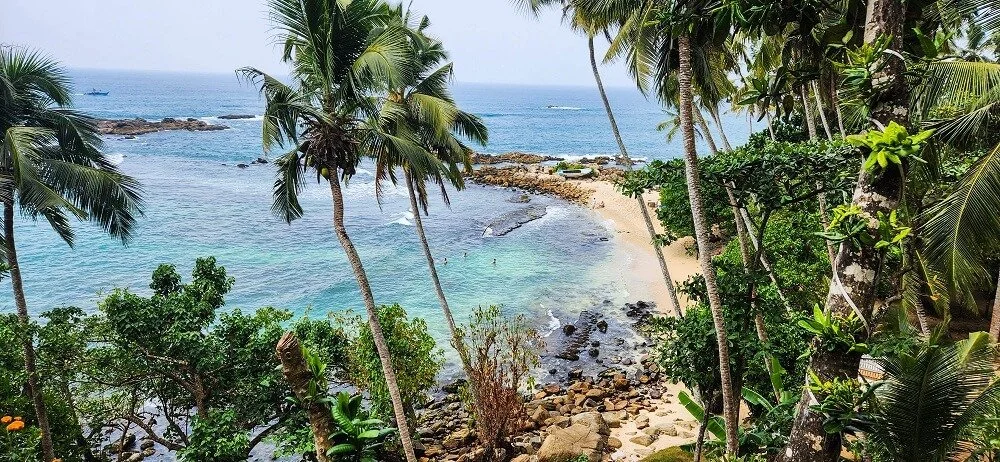
When most people picture Sri Lanka, they imagine misty tea plantations or the famous train journey through the Central Highlands. And while those experiences remain spectacular, there’s a quiet shift happening in how travelers are discovering the island. The south is having a moment.
Recent floods in the hill country have reminded visitors that Sri Lanka’s weather operates on multiple systems simultaneously – rain hammering Kandy means clear skies in Galle. The Central Highlands get drenched during the winter monsoon (November through February), but the southern coast? Dry, warm, and absurdly beautiful. December through March is peak season down there: the beaches are at their most swimmable and the Indian Ocean settles into an impossible turquoise-blue.
But this isn’t just a beach escape, though the beaches are reason enough. The south has developed into something more compelling: a stretch of coast where colonial history, surf culture, exceptional food, and genuine local life converge without the pretense you find in more established resort areas. It’s sophisticated without being sanitized, lively without being chaotic, pleasantly under-the-radar despite its growing popularity, and far more interesting than people expect.
Our Guide To The Towns That Define the South
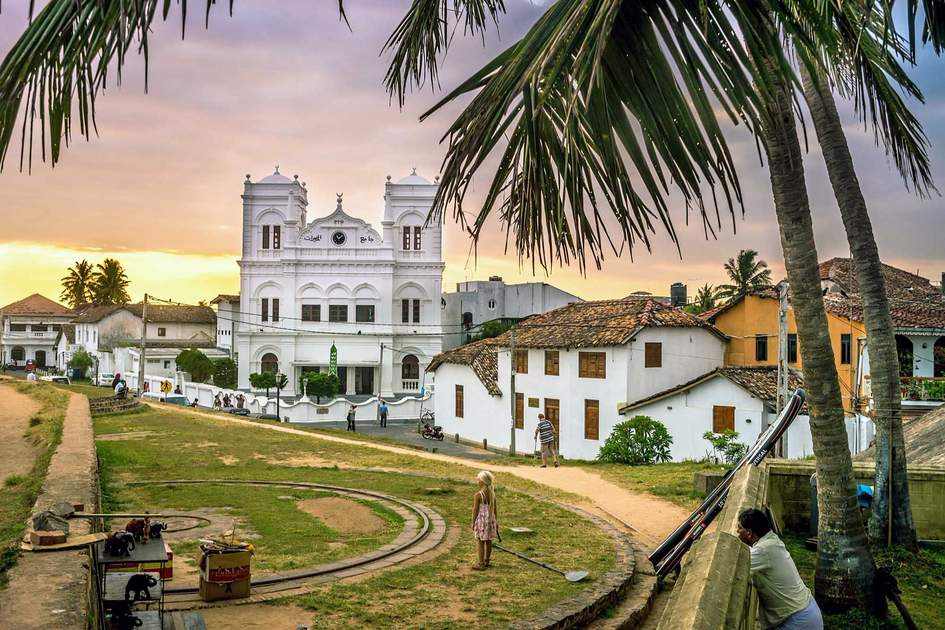
Galle remains the anchor – a UNESCO-listed fort city where Dutch colonial architecture wraps around narrow streets filled with boutique hotels, galleries, and restaurants that wouldn’t feel out of place in Copenhagen. The ramparts at sunset are mandatory. The interior is worth days of wandering. It’s beautiful, but it’s also lived-in, which keeps it from feeling like a museum.
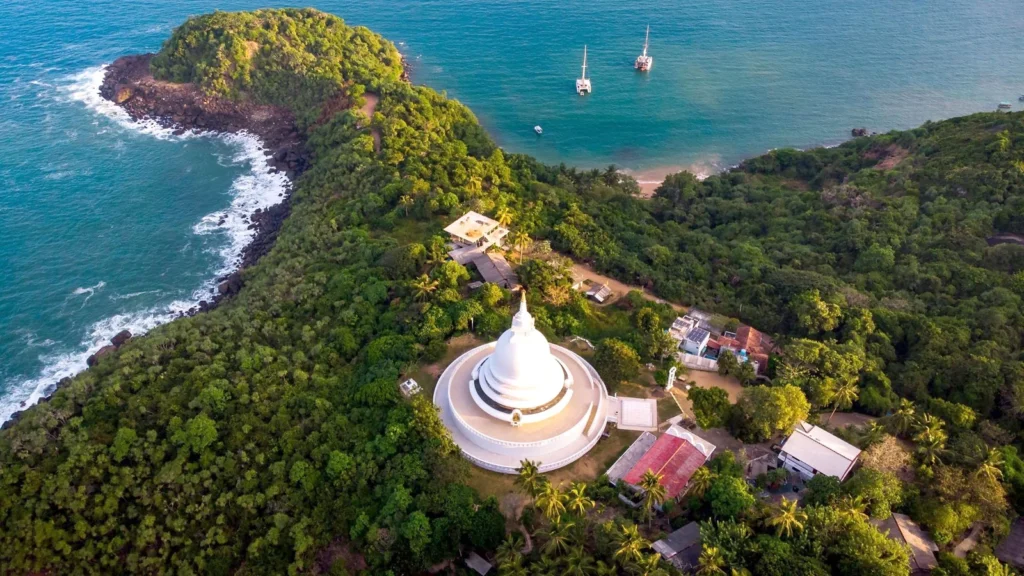
Head east and you hit Unawatuna, the beach town that manages to feel both traveler-friendly and locally rooted. The bay is protected, the water is calm, and the beachfront is lined with casual cafes and guesthouses rather than concrete resorts. It’s the kind of place where you plan to stay one night and end up staying four.
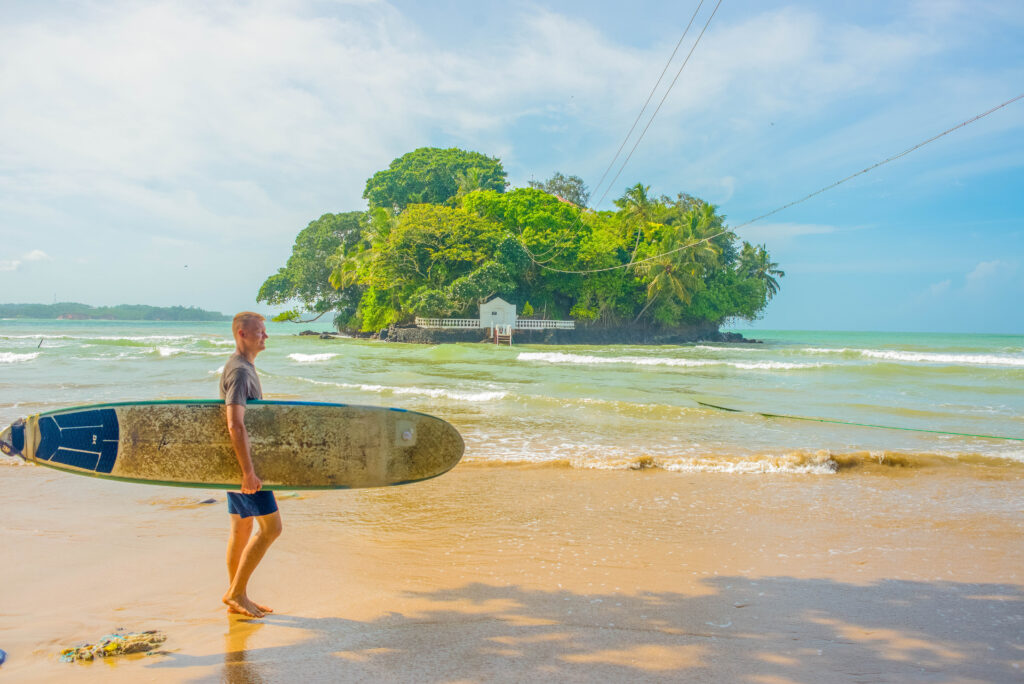
Further along is Weligama, which translates to “sandy village” and lives up to the name. This is surf central – long, gentle breaks perfect for beginners, with a bay so wide you never feel crowded even in peak season. The town has evolved into a hub for surf schools, yoga retreats, and digital nomads who’ve realized they can work remotely from a place with year-round sunshine and excellent Sri Lankan curry.
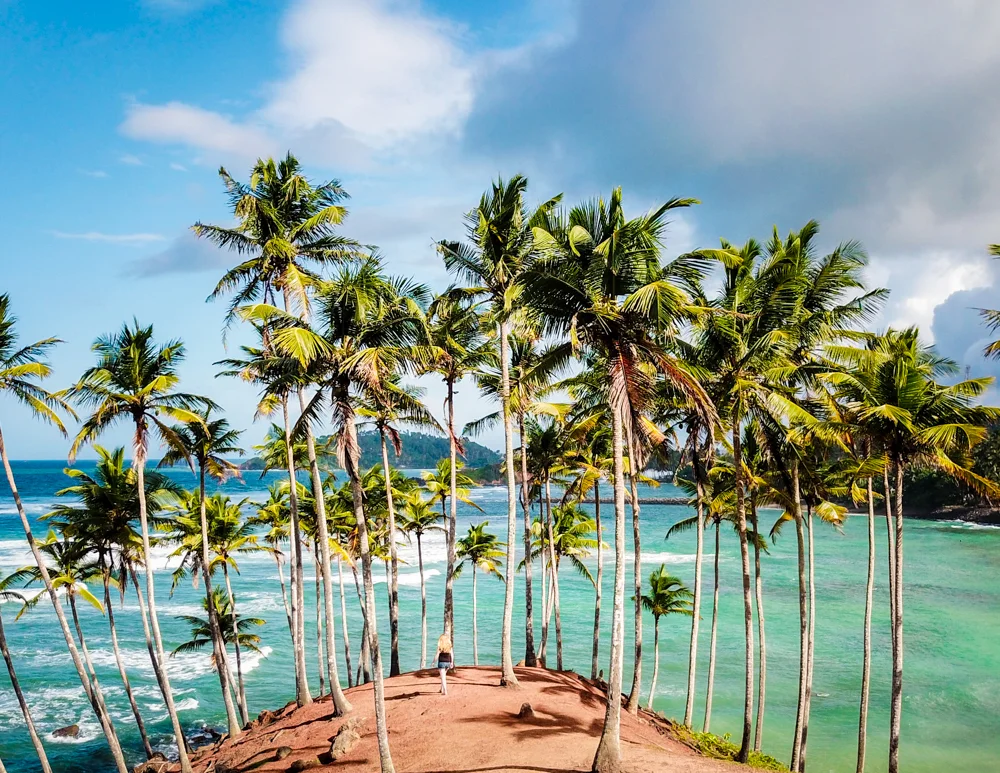
Then there’s Mirissa, smaller and softer than Weligama, with a crescent beach that feels almost private despite being thoroughly discovered. The southern edge curves around a rocky outcrop topped with palm trees – one of those views that stops you mid-stride. Mirissa is also the departure point for whale watching (blue whales pass through from December to April), though the beach itself is reason enough to visit.
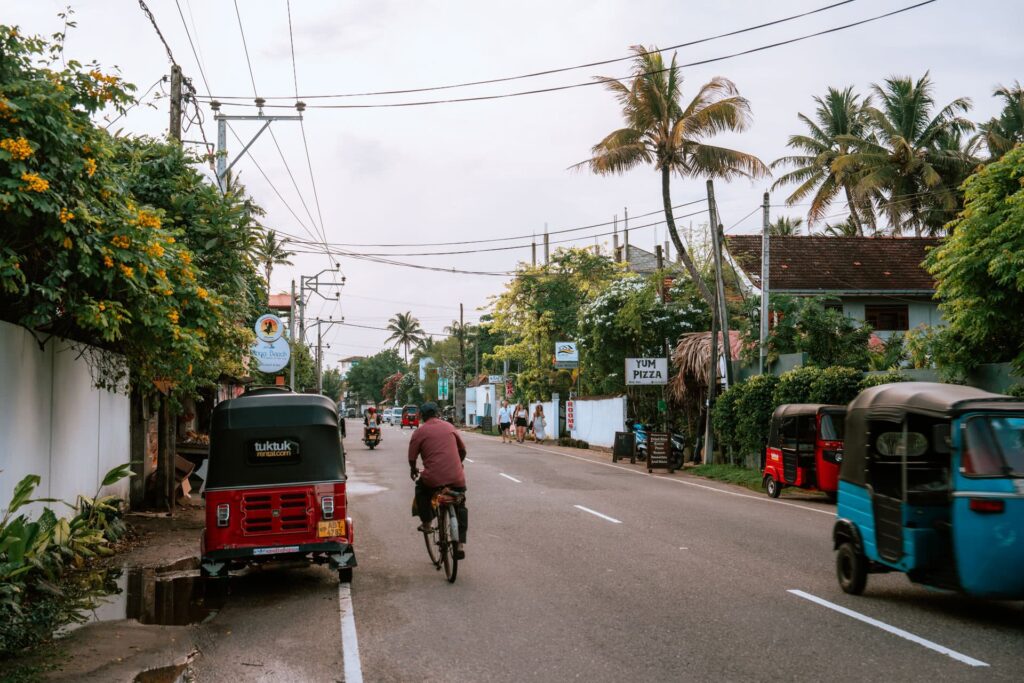
Ahangama sits between Midigama and Koggala, quieter than its neighbours but increasingly popular with surfers and travelers seeking something slightly more understated. Small guesthouses, a few excellent cafes, reef breaks offshore, and that slower pace you don’t realize you needed until you’re there. The vibe is boutique surf town – laid-back but polished, with a growing number of design-conscious stays and beachfront spots.
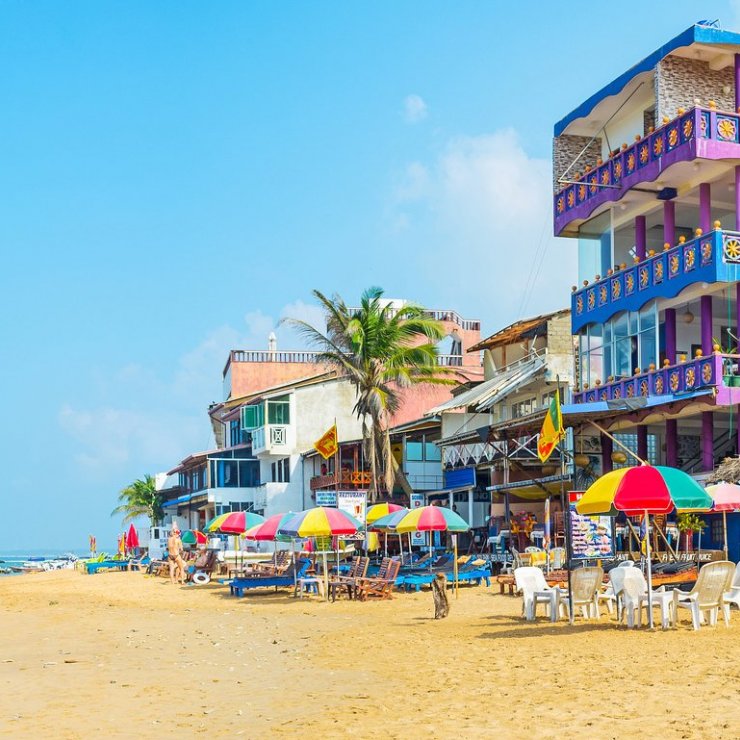
Hikkaduwa, further north, used to be the original backpacker beach in the ’70s and ’80s. It’s busier now, more developed, with a livelier nightlife scene and a coral reef just offshore that’s accessible for snorkeling. Not everyone’s cup of tea, but if you want energy and options, Hikkaduwa delivers.
What You’ll Actually Do
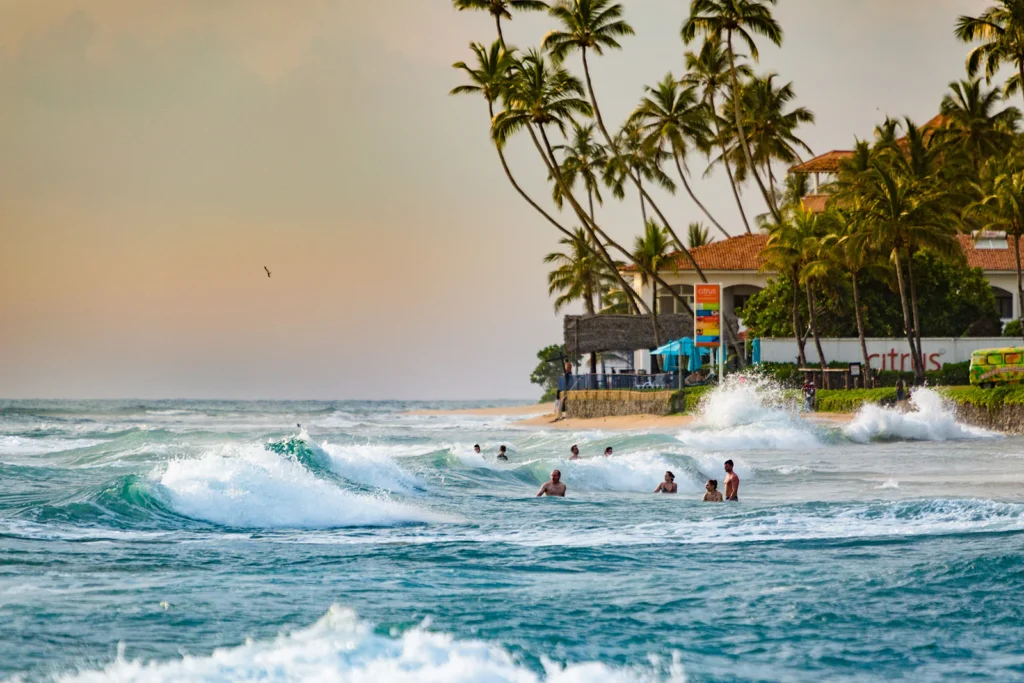
Surf. Even if you’ve never surfed before, you’ll surf here. The southern breaks are forgiving, the water is warm, and there are enough surf schools (particularly in Weligama and Ahangama) that you’ll find good instruction without the ego-heavy vibe of more famous surf destinations.
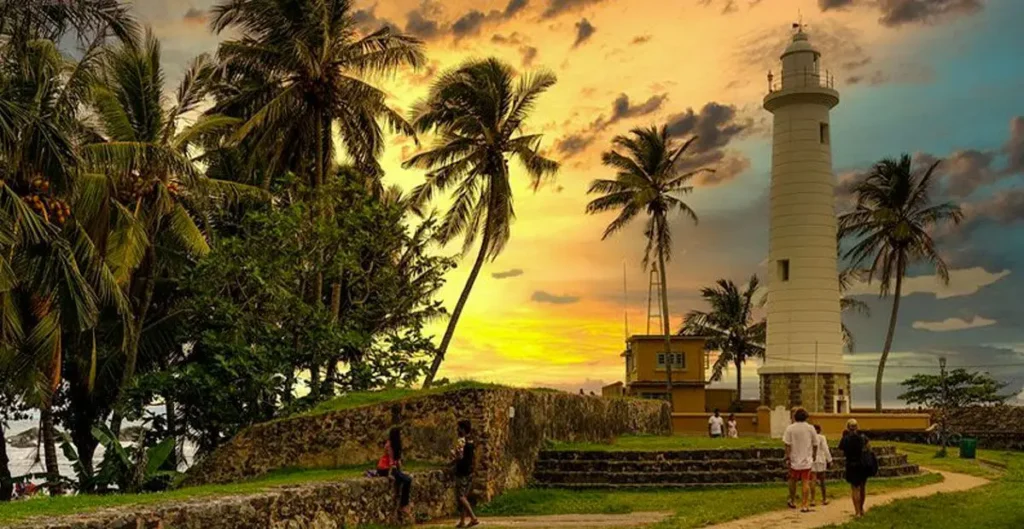
Wander Galle Fort properly – not just the ramparts, but the interior streets, the lighthouse, the shops tucked into colonial buildings, the Dutch Reformed Church, the Saturday market if you’re lucky enough to be there. The National Maritime Museum is small but worthwhile, and simply walking the walls at sunset is one of those experiences that justifies the entire trip.
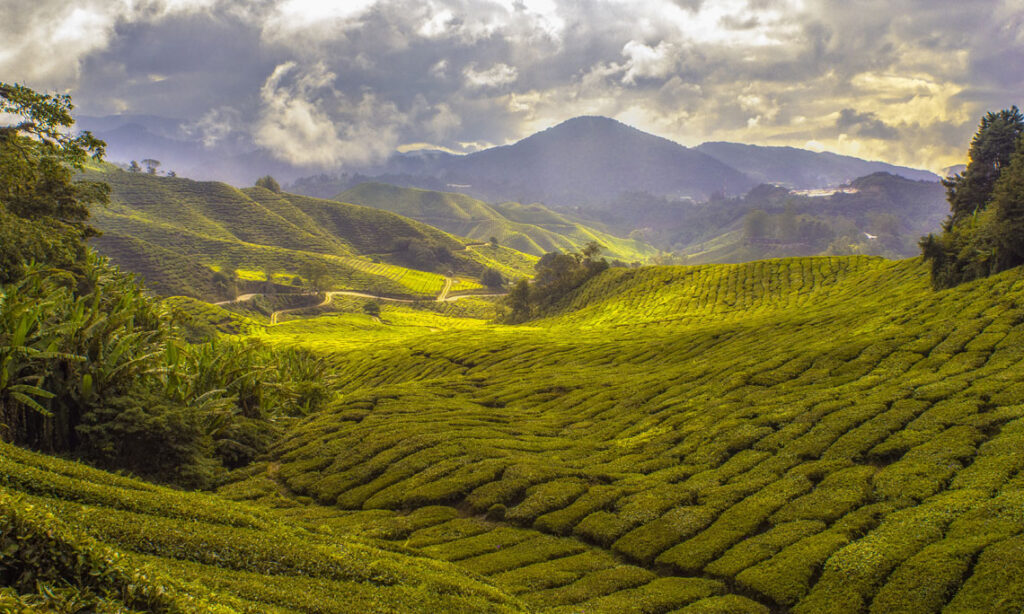
Visit Handunugoda Tea Estate, one of the few low-country tea plantations in Sri Lanka, famous for producing “Virgin White Tea” – one of the rarest teas in the world, hand-rolled and never touched by metal. The tour is fascinating, the setting is beautiful, and the tasting is exceptional. It’s located between Galle and Ahangama, making it an easy stop along the coast.
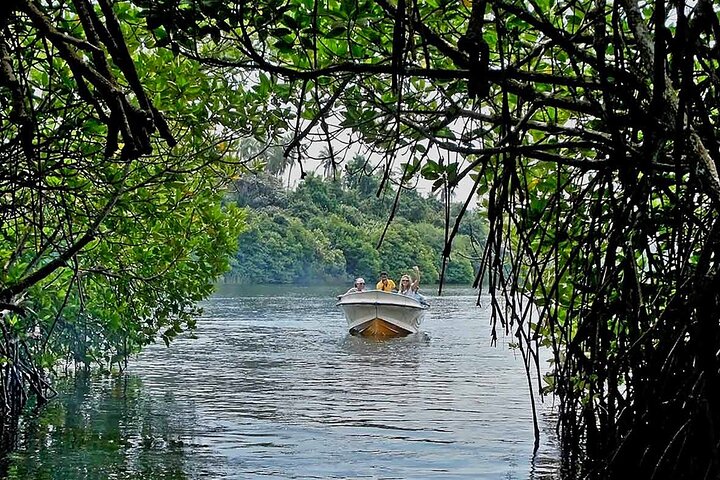
Explore the Madu River near Balapitiya – a network of wetlands, mangroves, and small islands best seen by boat. The safari takes you through narrow channels canopied by mangroves, past cinnamon plantations on tiny islets, and to a small temple accessible only by water. It’s quiet, green, lush, and feels worlds away from the beach despite being twenty minutes inland.
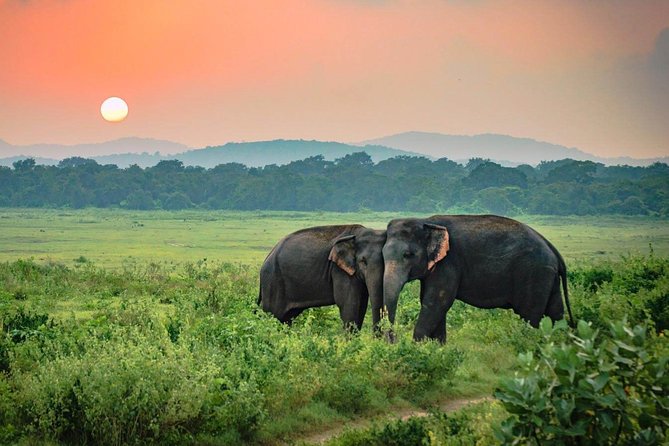
Udawalawe National Park is about 90 minutes inland from Galle and offers one of Sri Lanka’s best elephant-watching experiences. Unlike some parks where sightings are hit-or-miss, Udawalawe delivers consistently – herds grazing near waterholes, mothers with calves, bulls crossing the plains. The landscape is drier and more open than the jungle parks up north, which makes spotting wildlife easier.
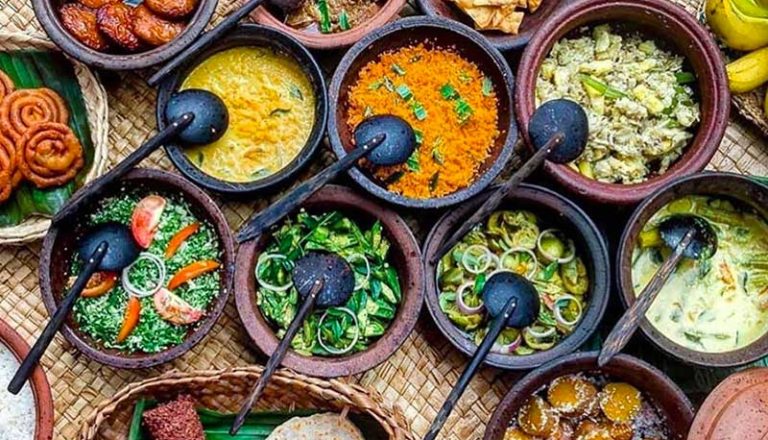
Take cooking classes – several places along the coast offer hands-on experiences where you learn to make hoppers, kottu, curries, and sambols from scratch. It’s a few hours of chopping, stirring, and tasting, and you leave with recipes you’ll actually use. Ahangama has several good options.
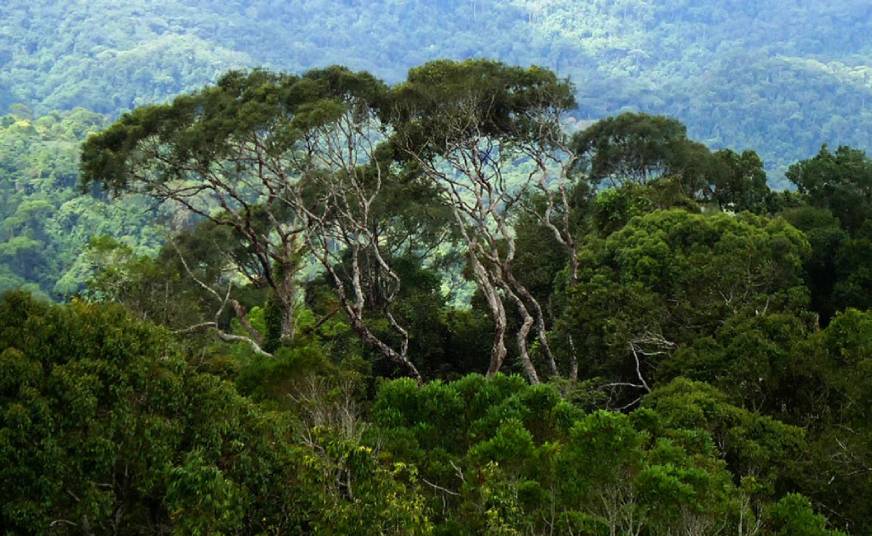
Hike through Hiyare Rainforest Sanctuary, a small protected area near Galle that offers an easy, beautiful walk through primary rainforest. It’s not strenuous – about an hour or two depending on your pace – and the birdlife is exceptional. The canopy is thick, the air is cool, and it’s a completely different atmosphere from the coastal heat.
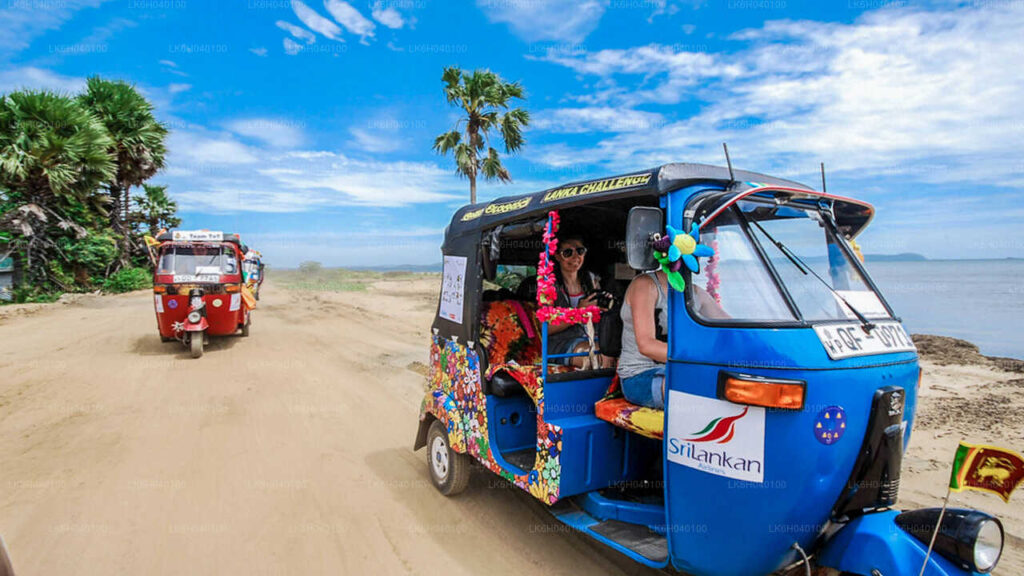
Rent a scooter or hire a tuk-tuk and spend a day hopping between beaches, stopping wherever looks good. Some of the best moments happen this way – a random café with killer crab curry, a hidden beach where fishermen are hauling in nets, a temple you didn’t plan to visit but can’t walk past. The coast road is scenic, manageable, and dotted with small surprises.
Where to Stay
The south coast has quietly developed one of Sri Lanka’s best accommodation scenes – a mix of beautifully designed boutique properties that feel intimate, well-priced, and genuinely special without the corporate resort machinery.
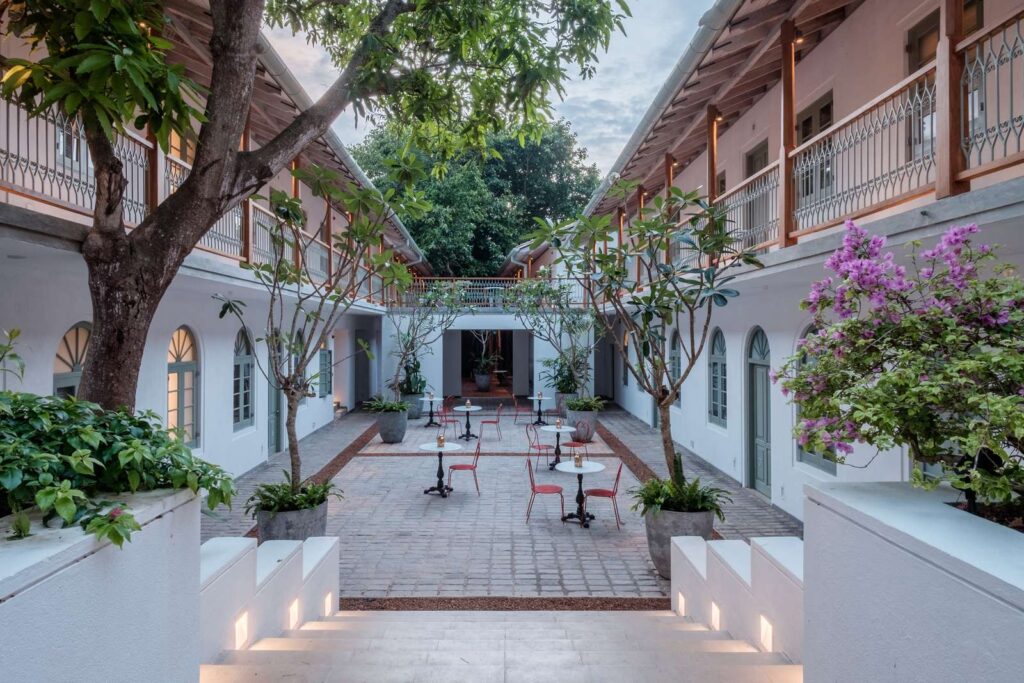
Fort Bazaar in Galle Fort occupies a restored 17th-century Dutch warehouse, all exposed brick, high ceilings, and contemporary design that respects the bones of the building. The rooftop pool overlooks the fort’s rooftops, and the location puts you in the heart of the old town without sacrificing quiet.
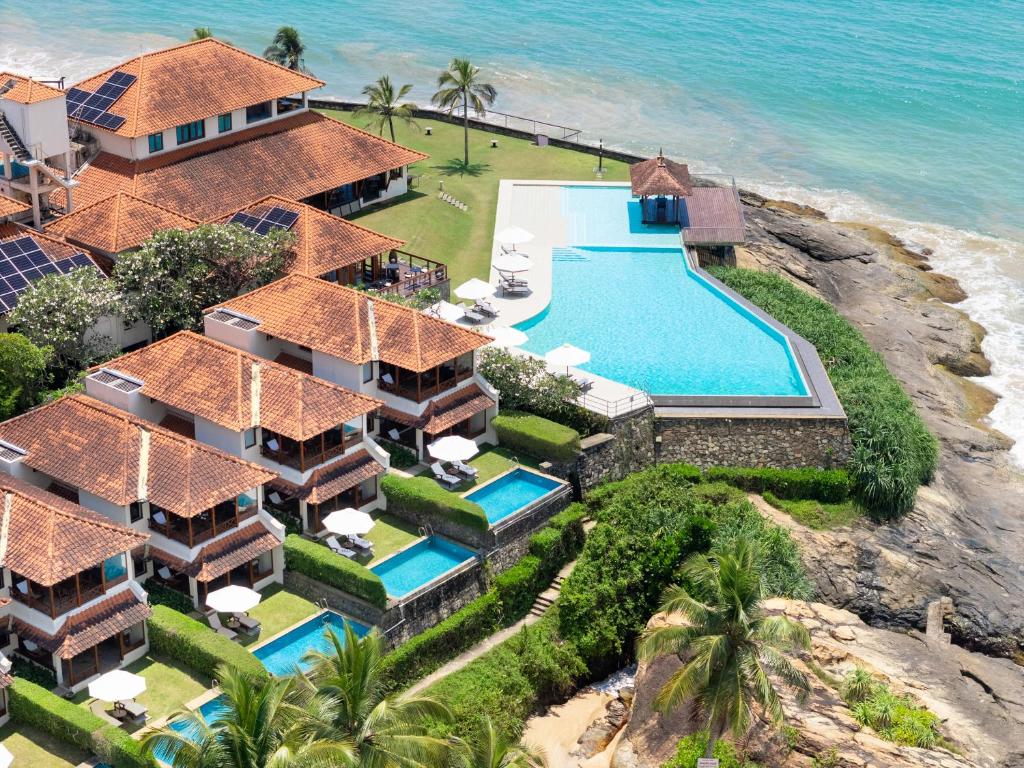
Jetwing Saman Villas in Bentota is an adults-only clifftop retreat with 27 private villas cascading down to the ocean. Each villa has its own plunge pool, the design is elegant without being stuffy, and the service hits that rare balance between attentive and unobtrusive. It’s romantic, peaceful, and exactly what you want if you’re looking for a proper retreat.
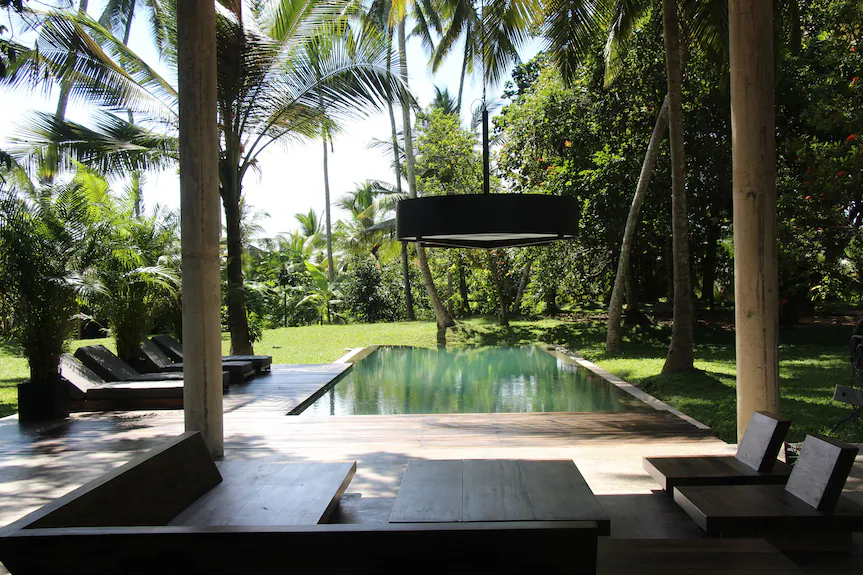
Kaju Green Eco Lodges near Koggala offers something different – sustainable, architect-designed eco-lodges set in paddy fields and jungle, blending contemporary style with environmental consciousness. It’s cute, intimate, beautifully executed, and surprisingly well-priced for what you get.
Why Now
The south coast has reached that rare sweet spot: developed enough to be comfortable but not so overrun that it’s lost its character. The infrastructure is there – good roads, reliable WiFi, excellent accommodations across all budgets – but it still feels like you’re discovering something rather than following a well-worn path.
Winter (December through March) is the best time. The weather is flawless, the ocean is calm and warm, the beaches are at their most beautiful, and the whole region feels like it’s operating at peak performance. While the Central Highlands deal with rain and cloud cover, the south basks in consistent sunshine and postcard conditions.
Get in touch to start planning your visit.