
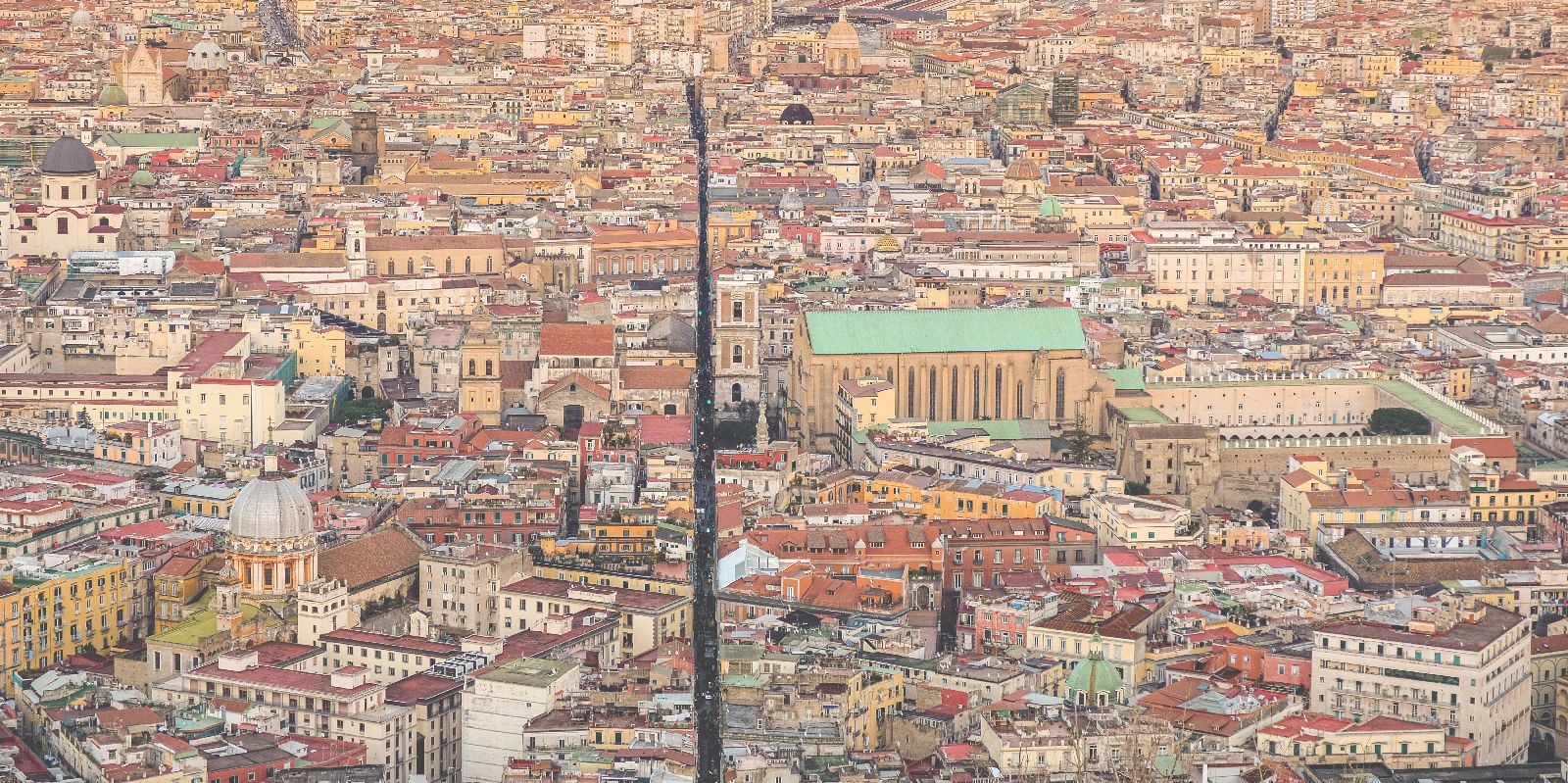
Search for “things to do in Naples” and you’ll be told – repeatedly – to leave Naples.
Take a day trip to Positano. Hop on the ferry to Capri. Ischia. Train to Sorrento. As if a city of nearly a million exists only to escort you elsewhere.
But Naples doesn’t need you to leave it to justify your visit.
This is not a city arranged for your comfort. Naples is loud in ways other Italian cities aren’t. Ambulance sirens form a constant backdrop, traffic follows vague suggestions rather than actual rules, and the streets are dirty. The architecture won’t impress you if you’ve already seen Florence or Rome. And yet the city has more personality than most of Italy combined.
If you appreciate cities that feel genuinely alive, you’ll understand it immediately.
What to Actually Do In Naples (Without Running to Amalfi)
1. Eat Your Way Through the City
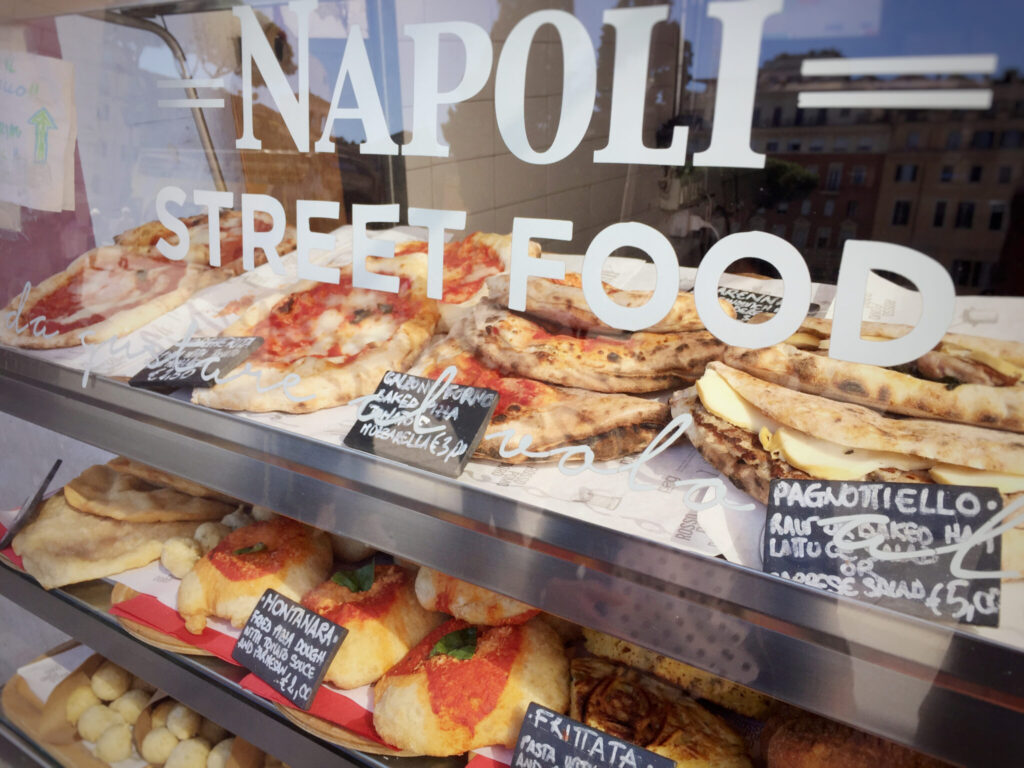
Italy has excellent food everywhere. Naples has outrageous food everywhere.
Not just the pizza (though that alone justifies the trip). It’s the cuoppo (paper cones of impossibly light fried goodies), friarielli, babà, absurdly good mozzarella, pastas that taste like they’ve been perfected over centuries, and sandwiches so decadent you question your dignity.
A food tour is essential. Mario from Raphael Tours & Events is exceptional – he takes you through the historic center, explaining not just what to eat, but why Neapolitans eat the way they do. Rituals, superstitions, traditions, the small details that anchor a culture.
We did two food tours in one day. No regrets.
2. Lose Yourself in the Spanish Quarters
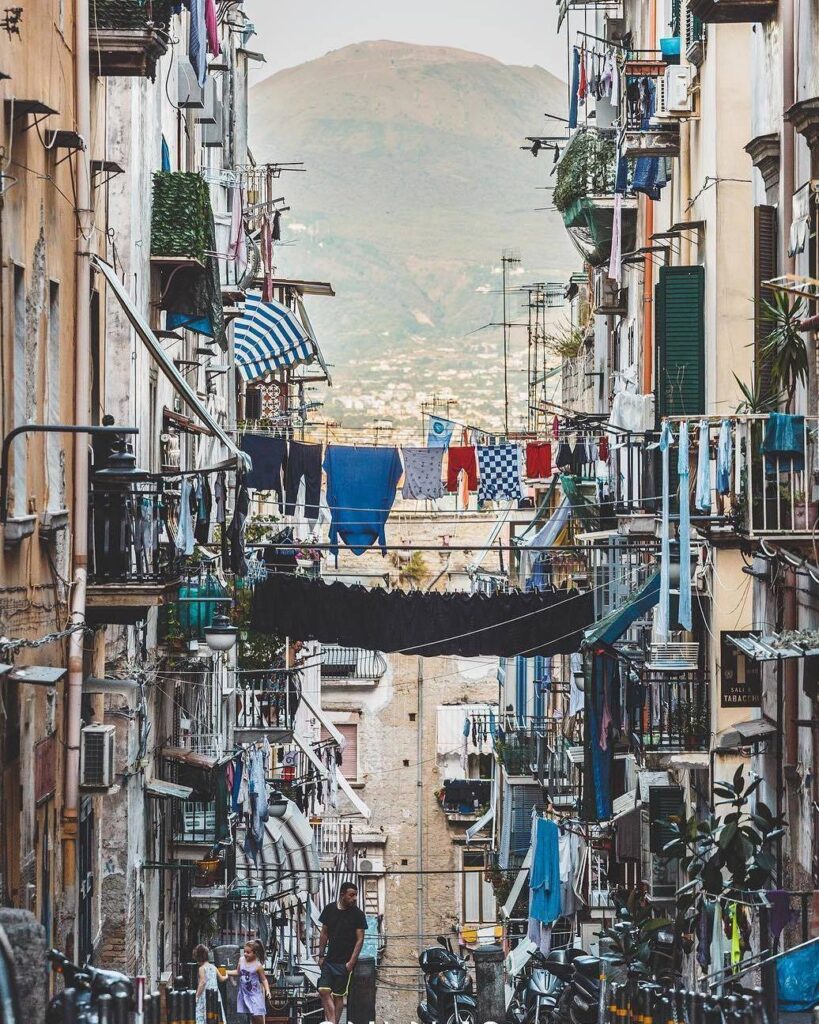
Nothing prepares you for Quartieri Spagnoli.
Streets narrow enough to touch both walls. Buildings stacked like a vertical village. Laundry crossing the alleyways like colourful banners. And shrines – not only to Maradona, but to neighbours, relatives, dogs, people who shaped the soul of the street. They’re intimate, excessive, heartfelt. You learn who lived there and how deeply they were loved.
Walk slowly. Doors open. You glimpse everyday scenes: someone cooking, someone laughing, someone arguing. Sometimes you’re invited in. It’s chaotic, human, and one of the most unique neighbourhoods in Europe.
3. Visit San Gregorio Armeno – Naples’ Surreal Nativity Street
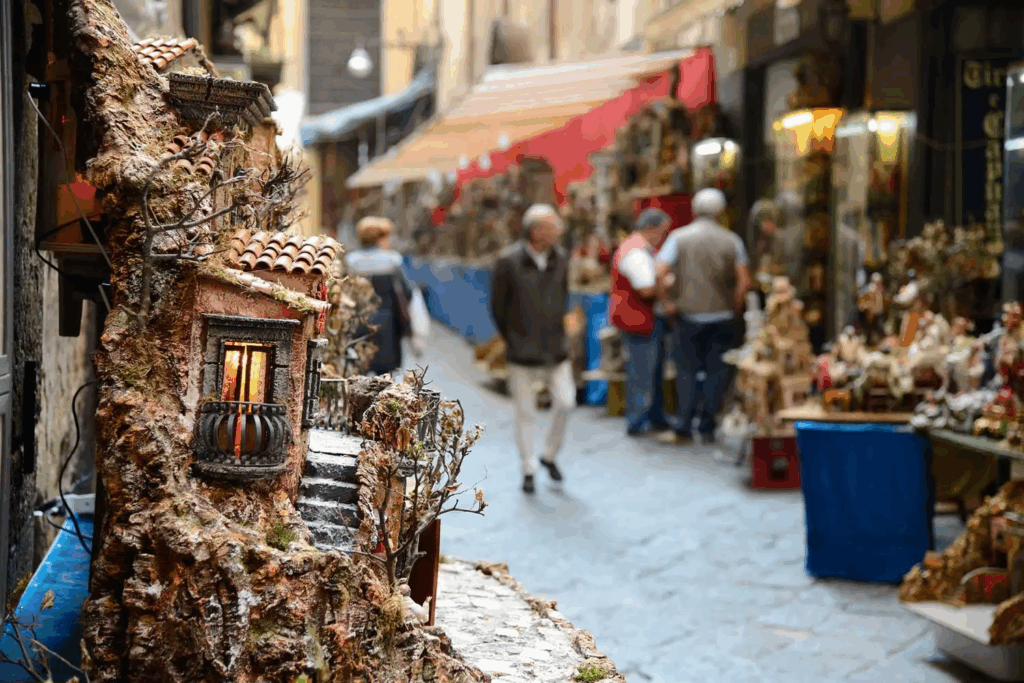
Imagine a street where it’s Christmas all year, run by artisans with both world-class skills and gloriously unhinged imaginations.
Traditional nativity figures sit beside miniature politicians, Maradona shepherds, dogs, popes, footballers, even a gynecologist figurine. The detail is astonishing – hand-painted expressions, tiny accessories, layered scenes.
It’s crowded, loud, strange, and impossible not to love.
4. Go Up Vesuvius
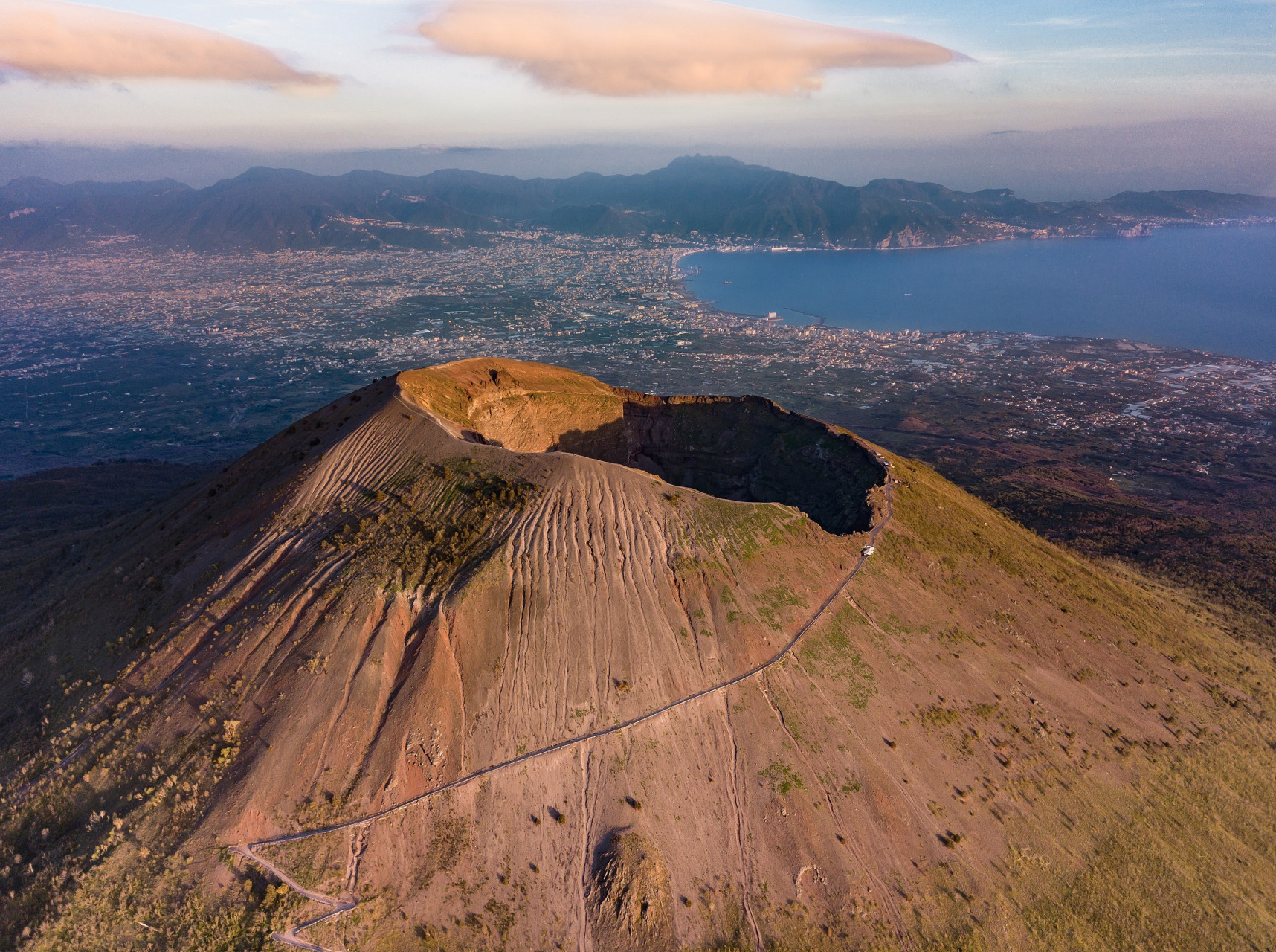
Vesuvius is an easy, rewarding outing. The climb is short, the path is simple, and the views are extraordinary: the entire Bay of Naples sweeping out below you, the city stretched to the shoreline, the crater vast and dramatic.
A note on logistics: the Circumvesuviana train experience is part of the charm and the chaos. Someone will almost certainly be playing Sarà perché ti amo from a giant portable speaker at 7 am. The train may or may not cooperate. If you prefer certainty, book an organised bus transfer.
Once you’re up there, bring your own snacks and water (the kiosk at the top is reliably disappointing) and take your time walking the rim.
5. Ercolano + Winery
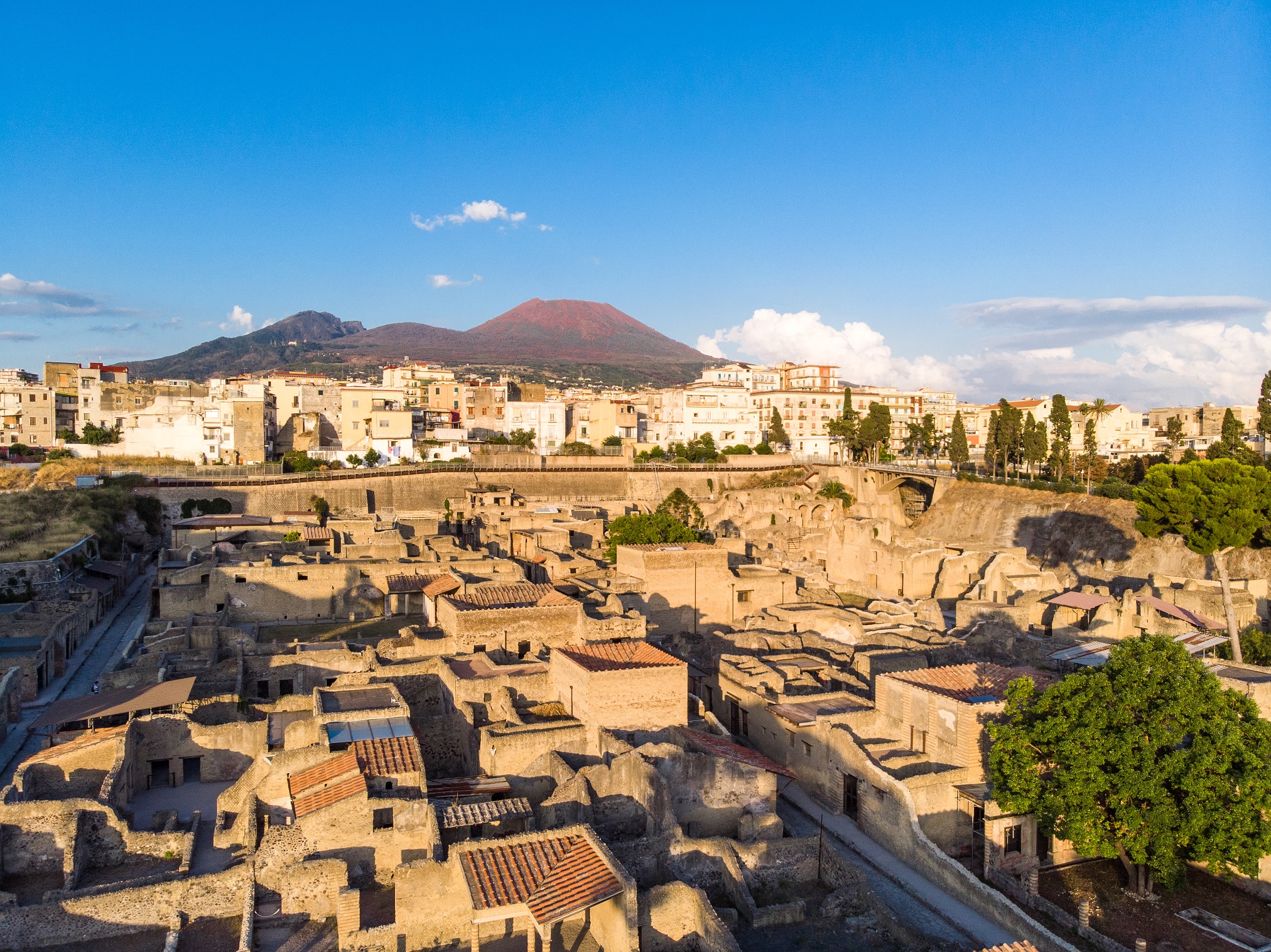
Visit Ercolano and the Cantina del Vesuvio winery on a separate day from Vesuvius. It’s a slower, more considered outing, and trying to combine all three in one day would turn something wonderful into chaos.
Ercolano (Herculaneum)
Ercolano is the quieter, more intimate counterpart to Pompeii – compact, beautifully preserved, and easy to explore in 3-4 unhurried hours. What makes it remarkable is the level of detail that survived: wooden beams, doors, shelves, furniture, frescoes and mosaics with vivid colour, intact rooms that feel unexpectedly immediate.
And then there are the boathouses, where the skeletons of families who tried to flee were found – a haunting, unforgettable moment. Ercolano’s scale and preservation make it feel personal; the everyday spaces are close enough that the stories stay with you.
Cantina del Vesuvio (Rosso Family Winery)
After the site, head to Cantina del Vesuvio, set on volcanic soil that nourishes the vines without irrigation. The family-run estate offers an effortless, charming experience: a vineyard walk, an introduction to the land, and a wine-paired lunch featuring antipasti, pasta, dessert, and five of their wines.
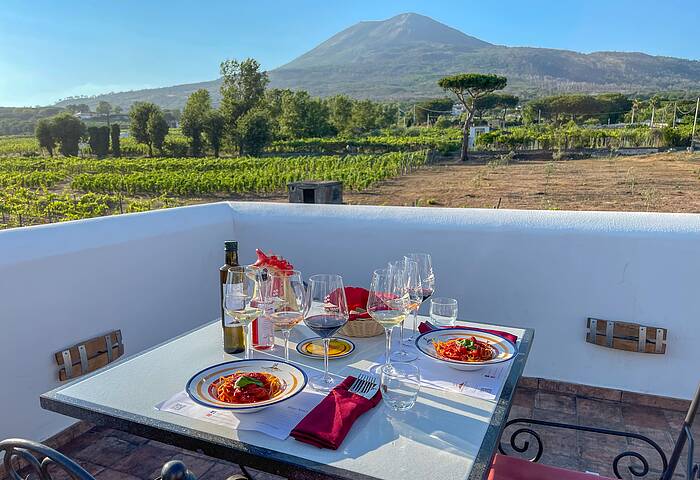
The lunch itself is excellent – simple dishes made with very high-quality ingredients, perfectly paced, and paired in a way that makes each wine make sense.
Their vinegar is extraordinary, and their wines have a clean mineral character. They even insist you won’t get a hangover from them, and honestly, in our experience, it held true.
It’s the perfect way to absorb the morning’s history – slow, scenic, generous, and deeply rooted in the landscape that shaped both the wine and the ancient city you just explored.
6. Walk Up to Vomero and Castel Sant’Elmo
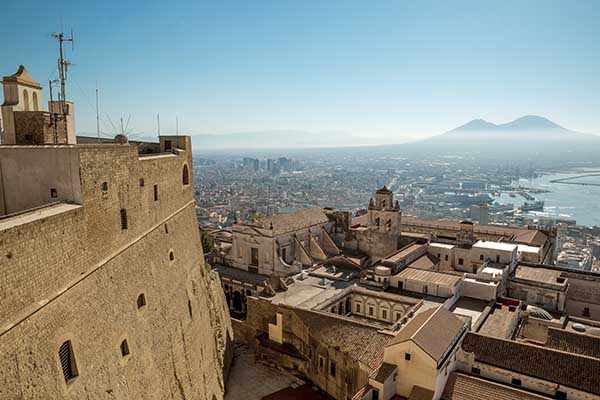
Most visitors take the funicular to Vomero. Don’t. The ascent is steep, yes, but it’s one of the most unexpectedly beautiful experiences in Naples.
The path winds through quiet residential streets, where the city feels softer and more spacious. Belle Époque buildings, pastel houses with wrought-iron balconies, hidden gardens, glimpses into courtyards that look like they belong in another century. It’s the side of Naples people rarely talk about – elegant, calmer, lived-in, but still vibrantly local. As you climb higher, the noise of the historic centre fades and the air feels different.
At the top sits Castel Sant’Elmo, a star-shaped fortress watching over the entire coastline. The views from its ramparts are the views of Naples: the chaotic centre below, the sea curling around the bay, Capri floating in the distance, and Vesuvius rising dramatically behind it all. You understand the geography of the city in one sweep.
7. Wander the Waterfront
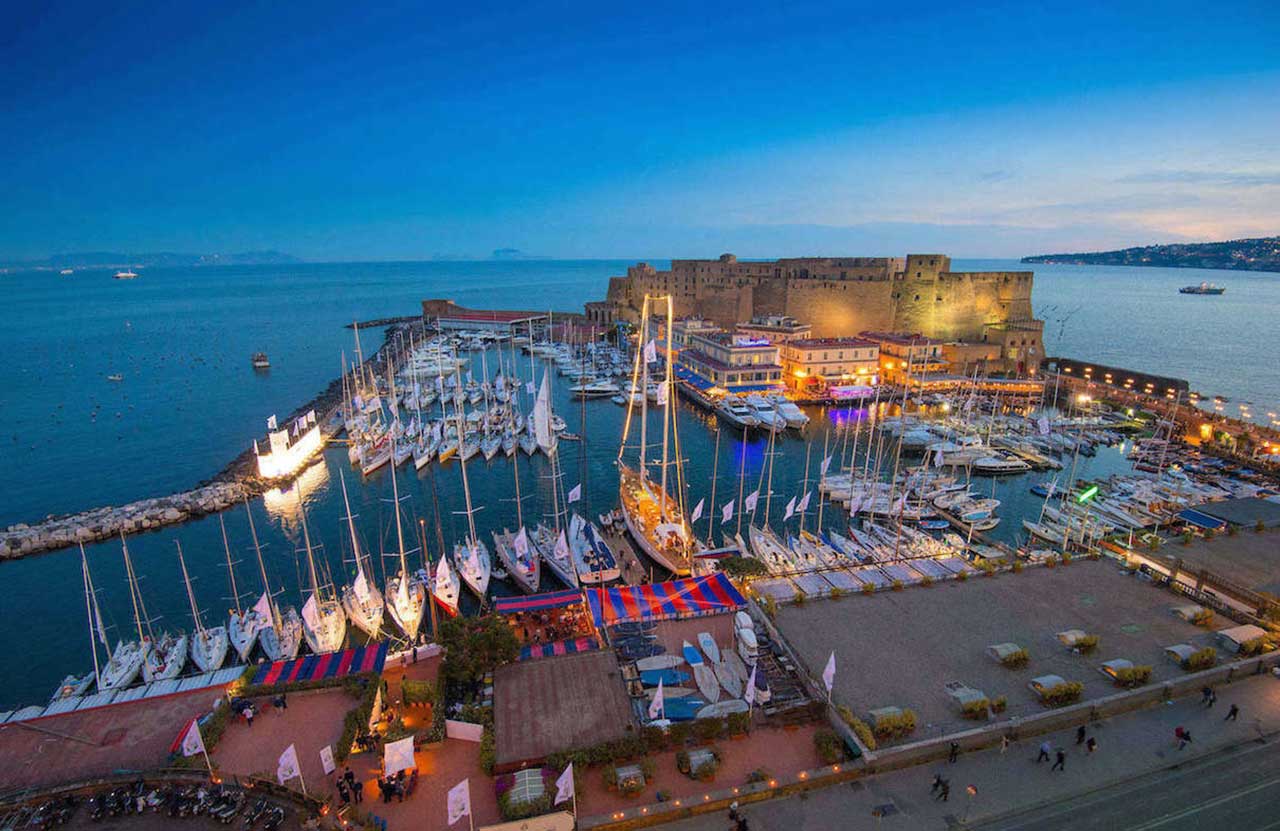
Naples’ waterfront is where the city finally exhales. After the intensity of the centre, the Lungomare feels almost shockingly open.
Walk the full stretch from Castel dell’Ovo to Mergellina. Castel dell’Ovo itself sits on a tiny island connected by a causeway, and the views from its terrace – the bay, Capri on the horizon, Vesuvius watching everything – are quietly spectacular. It’s not dramatic like Sant’Elmo; it’s softer, reflective.
Below the castle is Borgo Marinari, a tiny, photogenic harbour dotted with fishing boats and seafood trattorias. It feels like a miniature village tucked inside the city.
The waterfront won’t change your life, but it will reset your senses. A perfect early evening walk, especially at sunset when the whole bay turns pink.
Where to Stay: Palazzo Doria Napoli
Most hotels in Naples provide earplugs because traffic noise never stops. But if you want somewhere that rises above the chaos without pretending to escape it, Palazzo Doria is the one.
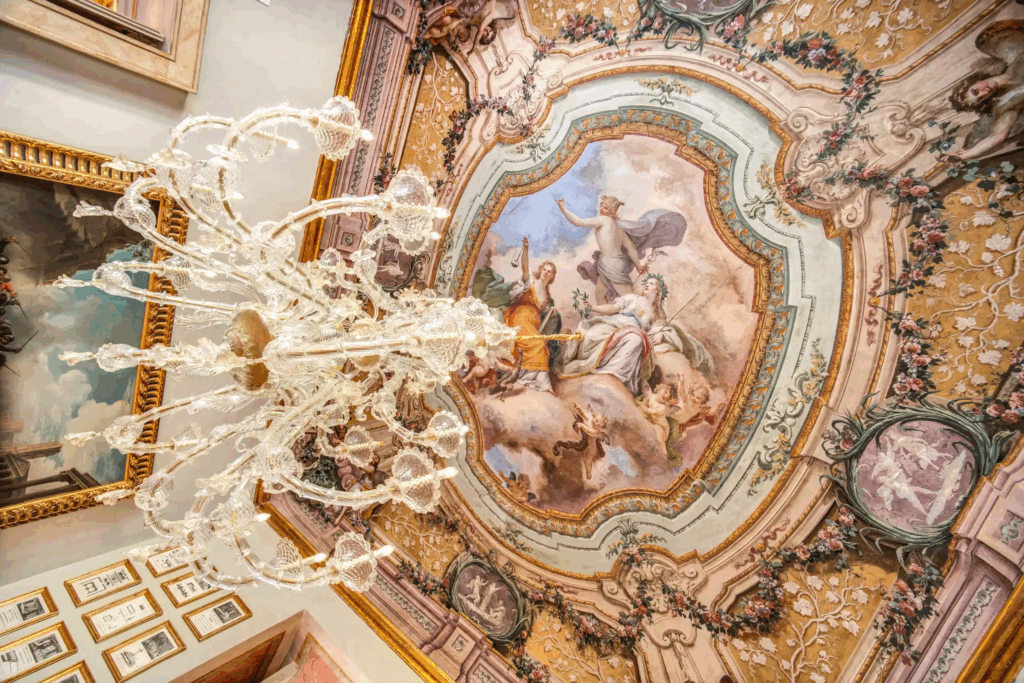
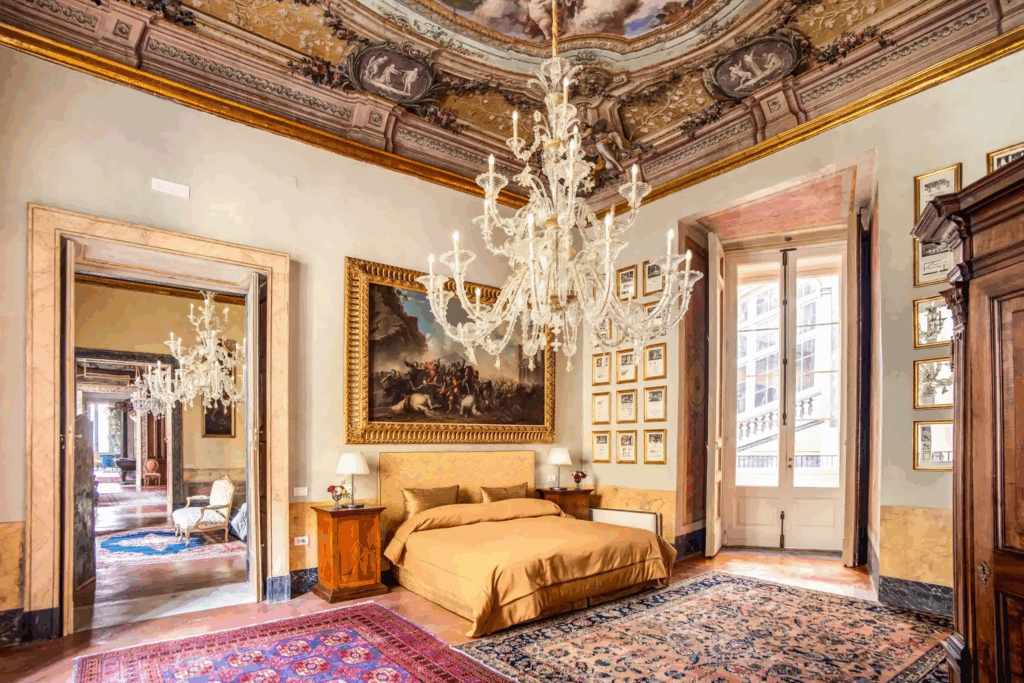
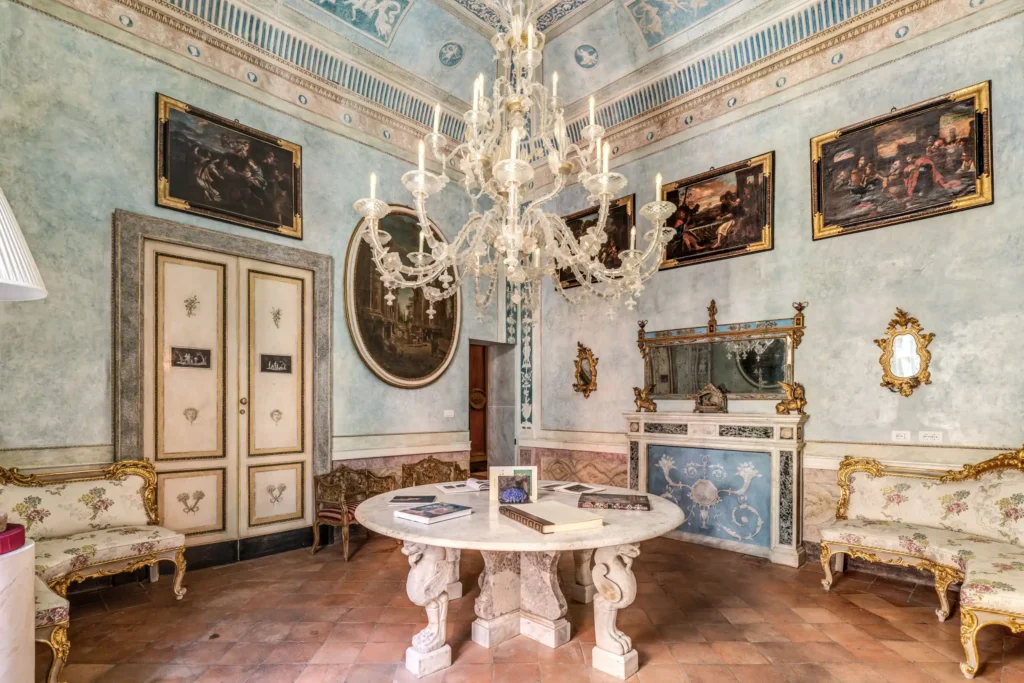
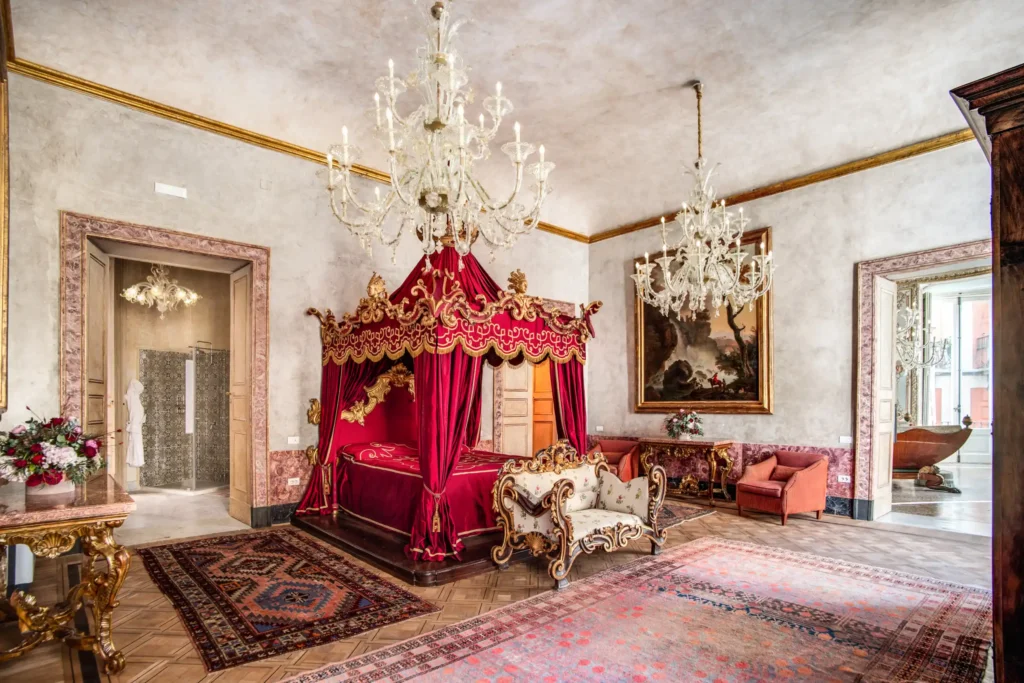
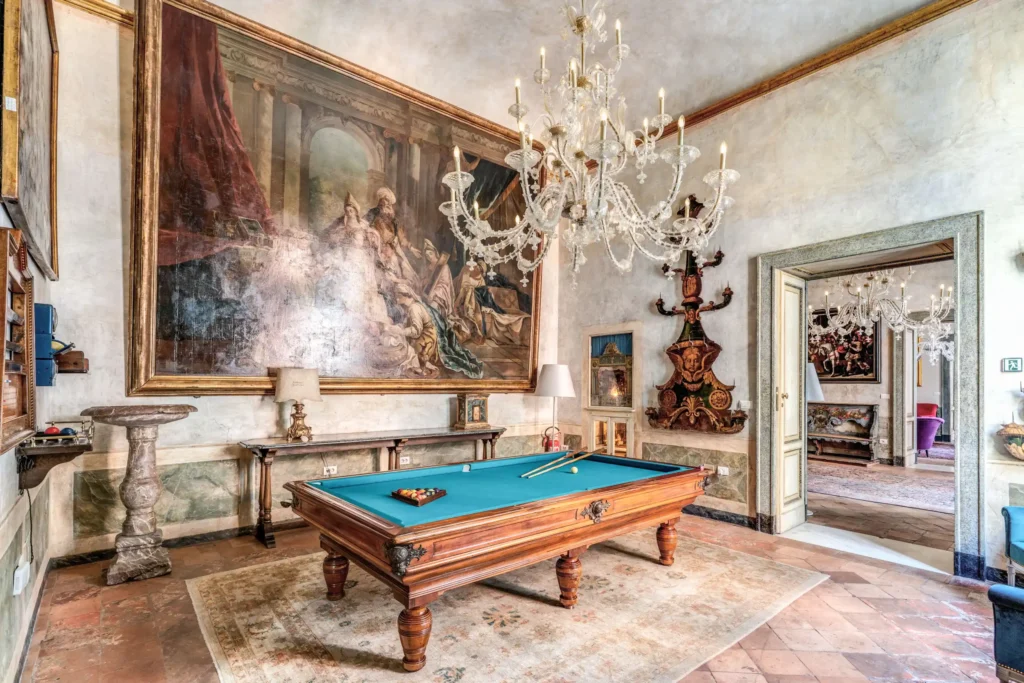
You push through the small pedestrian door cut into the massive wooden gate and step into the courtyard. The noise doesn’t fade. You still hear scooters, voices, sirens bouncing off the stone. But visually, the world changes: arches, old stone, a grand marble staircase swirling upward. The contrast is cinematic.
Upstairs on the piano nobile, the palazzo reveals itself as something extraordinary: frescoes by Fedele Fischetti, gilded mirrors, salons with soaring ceilings, and the Hall of Mirrors, where breakfast feels like it belongs in a different century. This is an 18th-century palace designed by Luigi Vanvitelli, and the original decorations are still intact: stucco work, painted vaults, an elliptical ballroom once used for aristocratic dances.
Historically, it’s one of the most important palazzi in Naples. From the main balcony, Giuseppe Garibaldi announced the annexation of the Kingdom of the Two Sicilies to Italy in 1860. Today a huge Italian flag still hangs from that very balcony.
The rooms are, as you’d expect, genuinely palatial – vast ceilings painted end-to-end, large antique furniture, enormous paintings framed in intricate gold, original décor that hasn’t been diluted or modernised.
It’s grand without feeling staged. You’re sleeping in a historic palace with its original interiors still intact.
The location is excellent too – right off Via Toledo, steps from Dante metro station, walking distance to almost everything in the historic center.
How Long to Stay
Three days minimum. Five days if you want to do it properly without rushing. You’ll still leave wanting more time.
Get in touch to start planning your visit.